
Alternative Sites
For Meeting Our Housing Goals
Menlo Park has many sites that are better suited for housing than the downtown parking plazas - sites with appropriate infrastructure, easy access, and room to build at scale.
By prioritizing more suitable options, the City can meet its housing requirements without undermining the downtown.
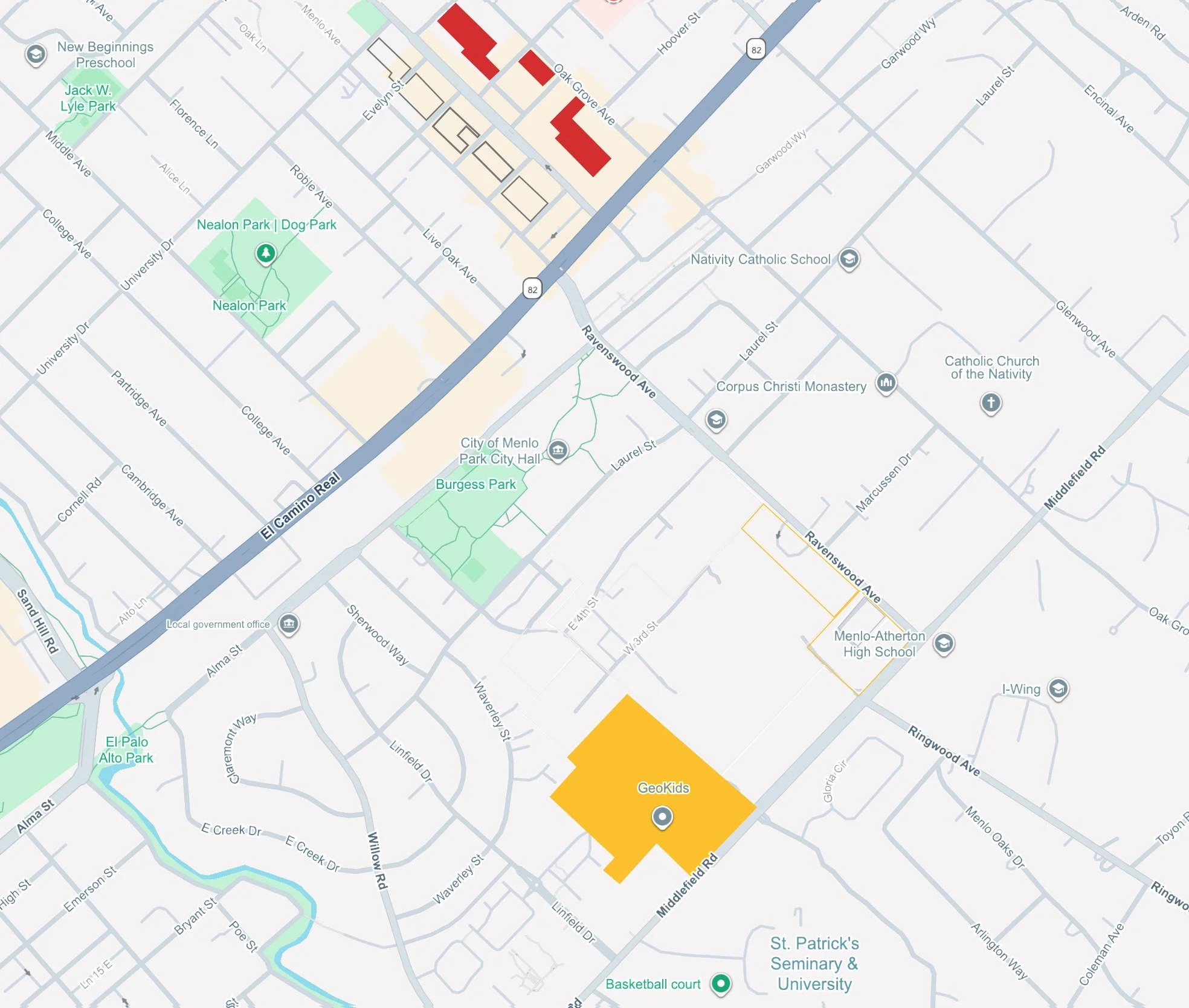
Below are some of the alternatives:
Bohannon Industrial / Office Park
Size & Ownership: 24 acres | Private
Background: The owners of the northwestern portion of Bohannon Park have repeatedly told the City they want to redevelop the site for housing. In a December 6, 2022 letter, they wrote:
“…we also request that the City include the contiguous parcels located in Bohannon Park … which could be assembled and developed into a viable, multi-family village if the City creates the necessary densities, such as those established for the ConnectMenlo General Plan.”
Opportunity: Potential for a mixed-income neighborhood of hundreds of homes, adjacent to Marsh Manor shopping center, with direct freeway access and easy reach of Bayfront Park.


UPDATE: SamTrans is planning to convert the abandoned rail line that runs adjacent to Bohannon Park into a bus-only lane with walking trail and bike path - providing convenient transit straight to downtown Redwood City. Learn more here.
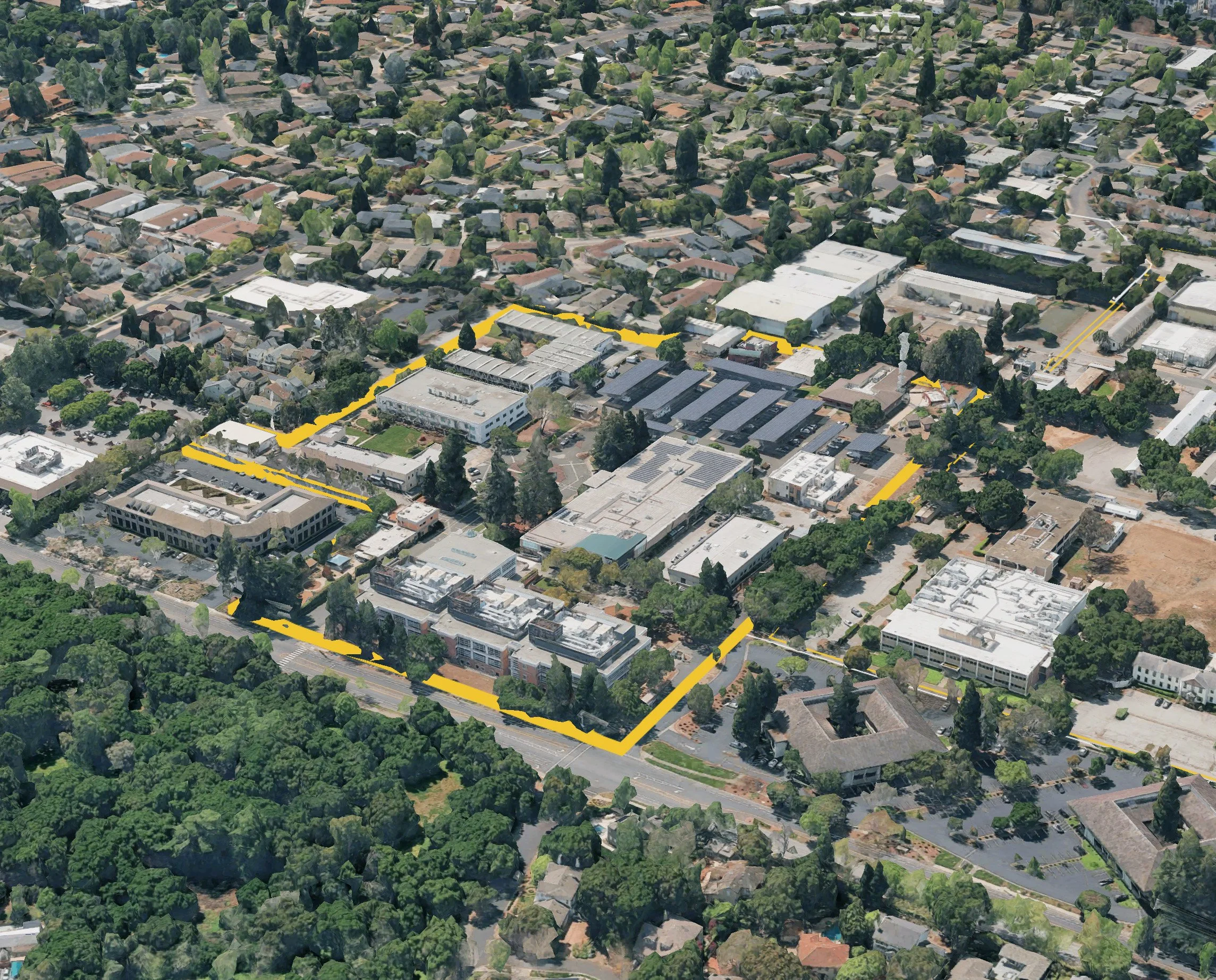
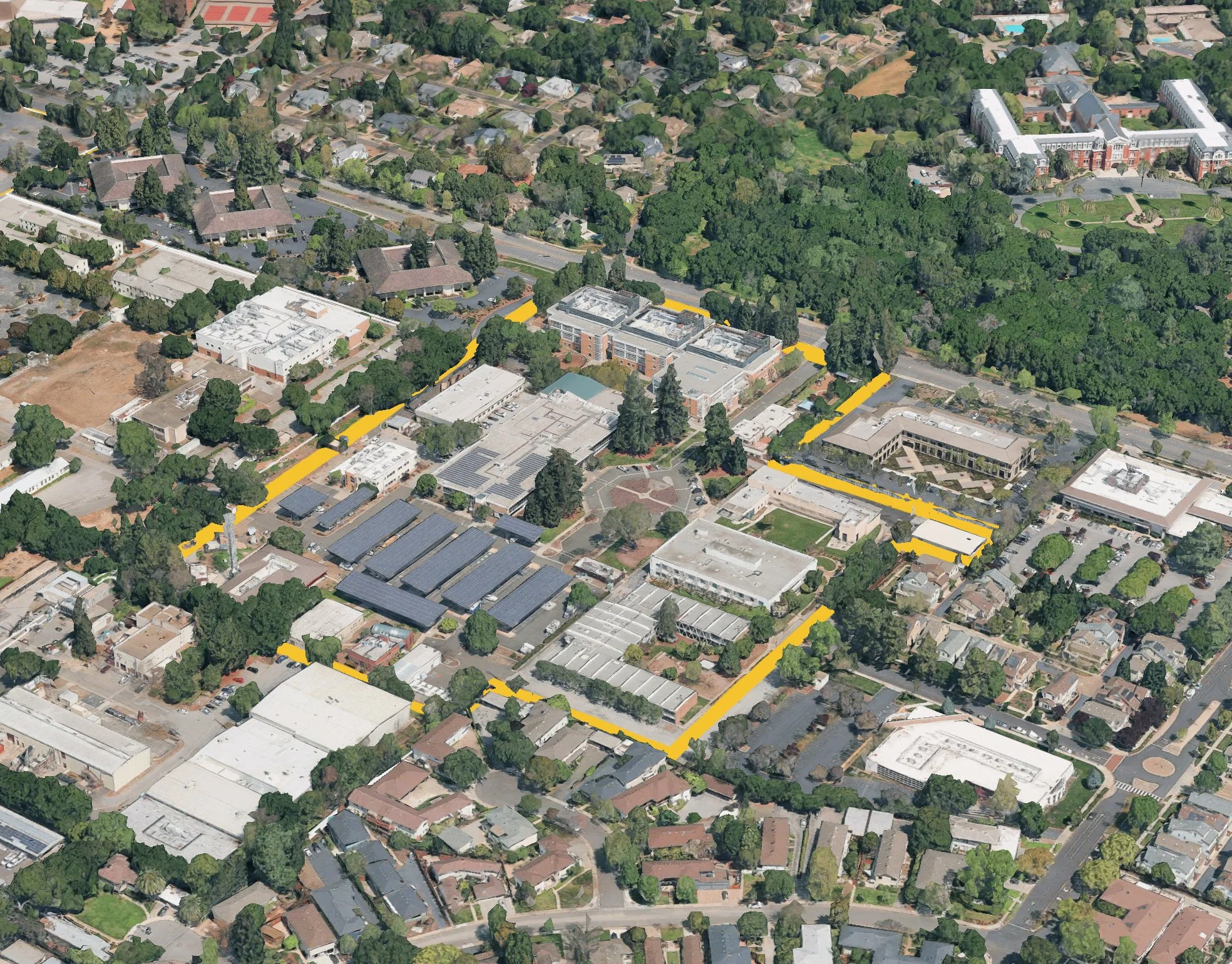
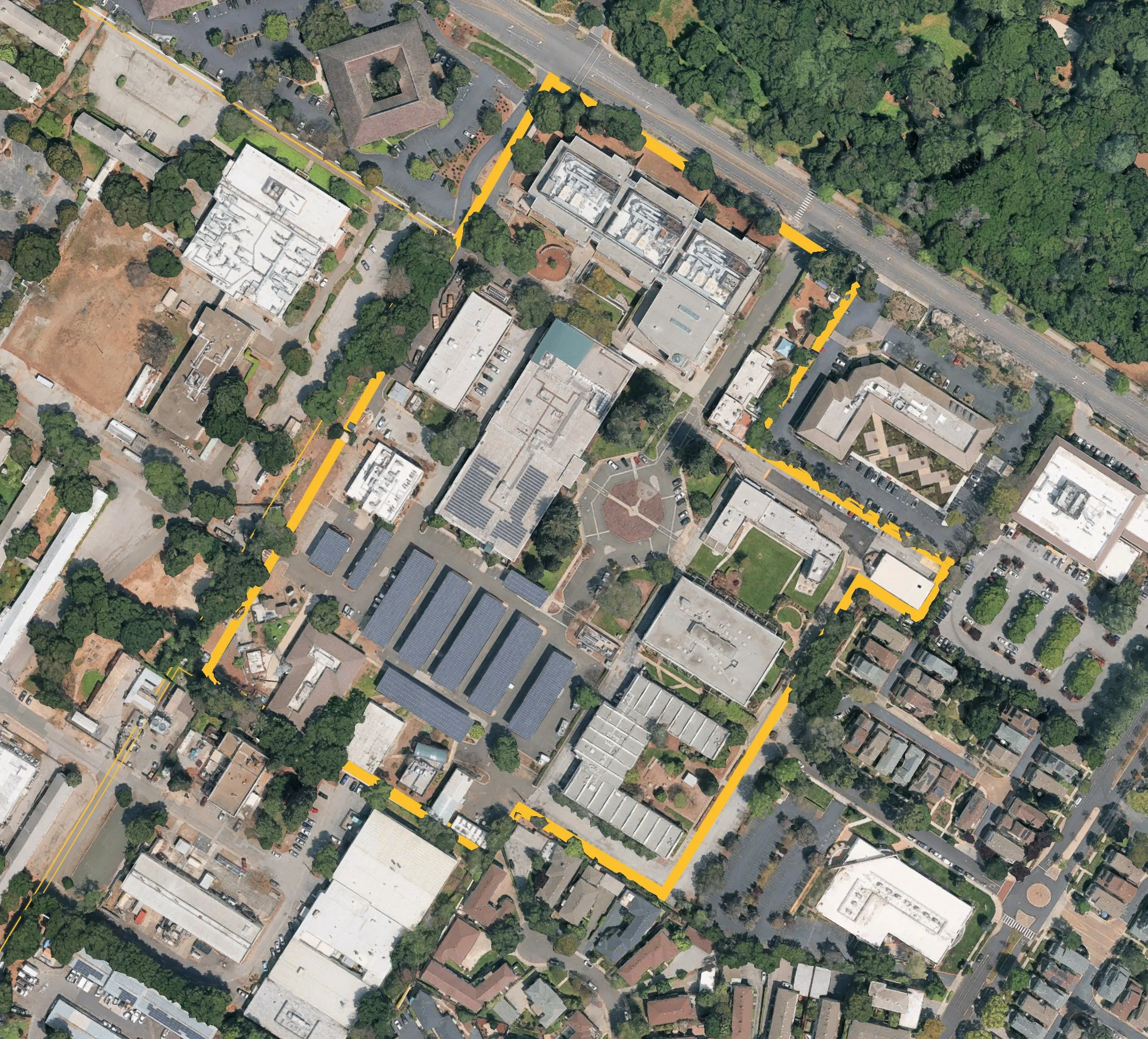
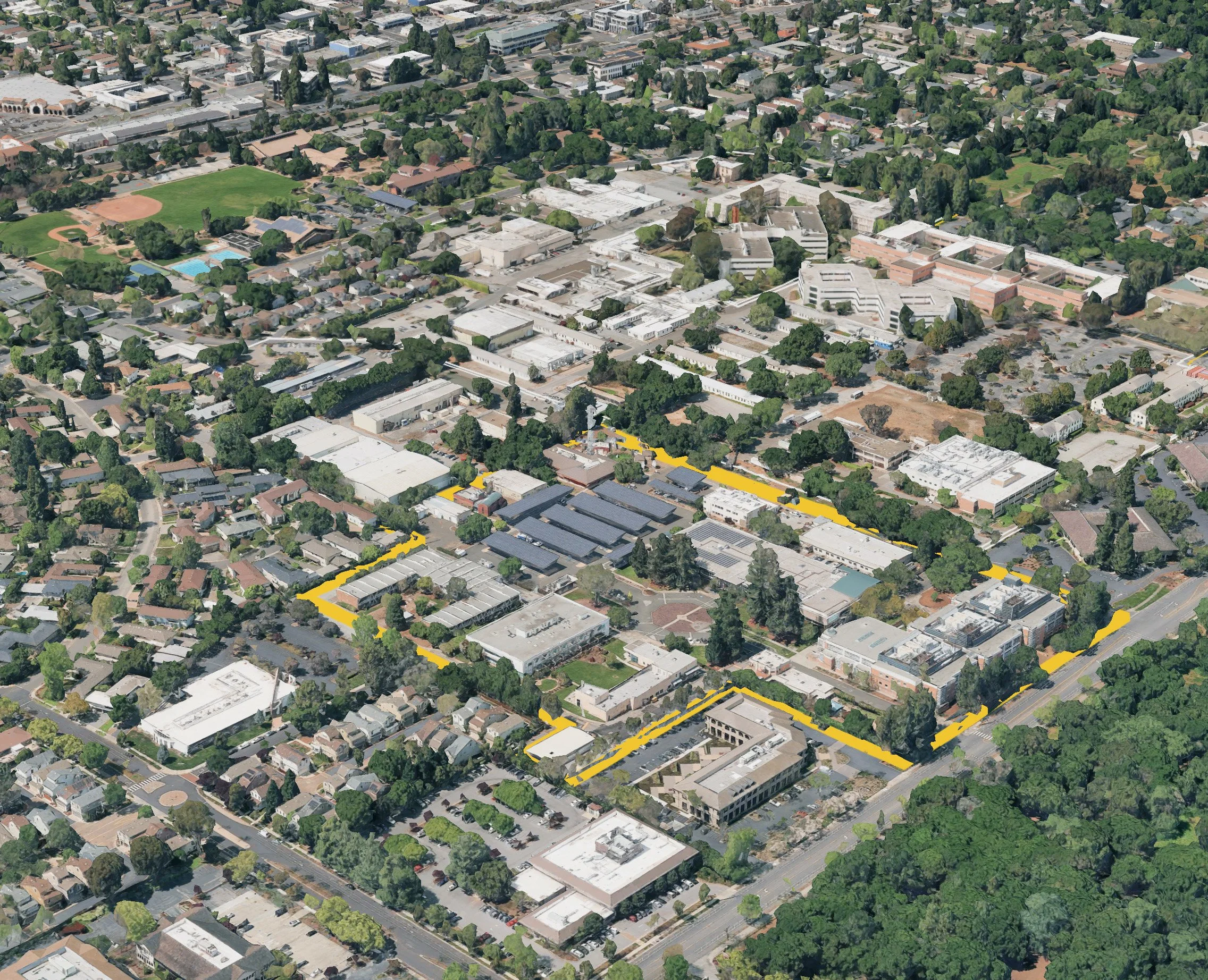
345 Middlefield Rd. (USGS/Presidio Bay)
Size & Ownership: 17 acres | Private
Background: When the Housing Element was adopted, this parcel was still the federally-owned USGS site. It has since been acquired by Presidio Bay Ventures for redevelopment.
Opportunity: At 17 acres, this is one of the largest redevelopment sites in Menlo Park. If the City prioritizes affordable housing in negotiations with the developer, this site could contribute significantly toward meeting our RHNA requirements.
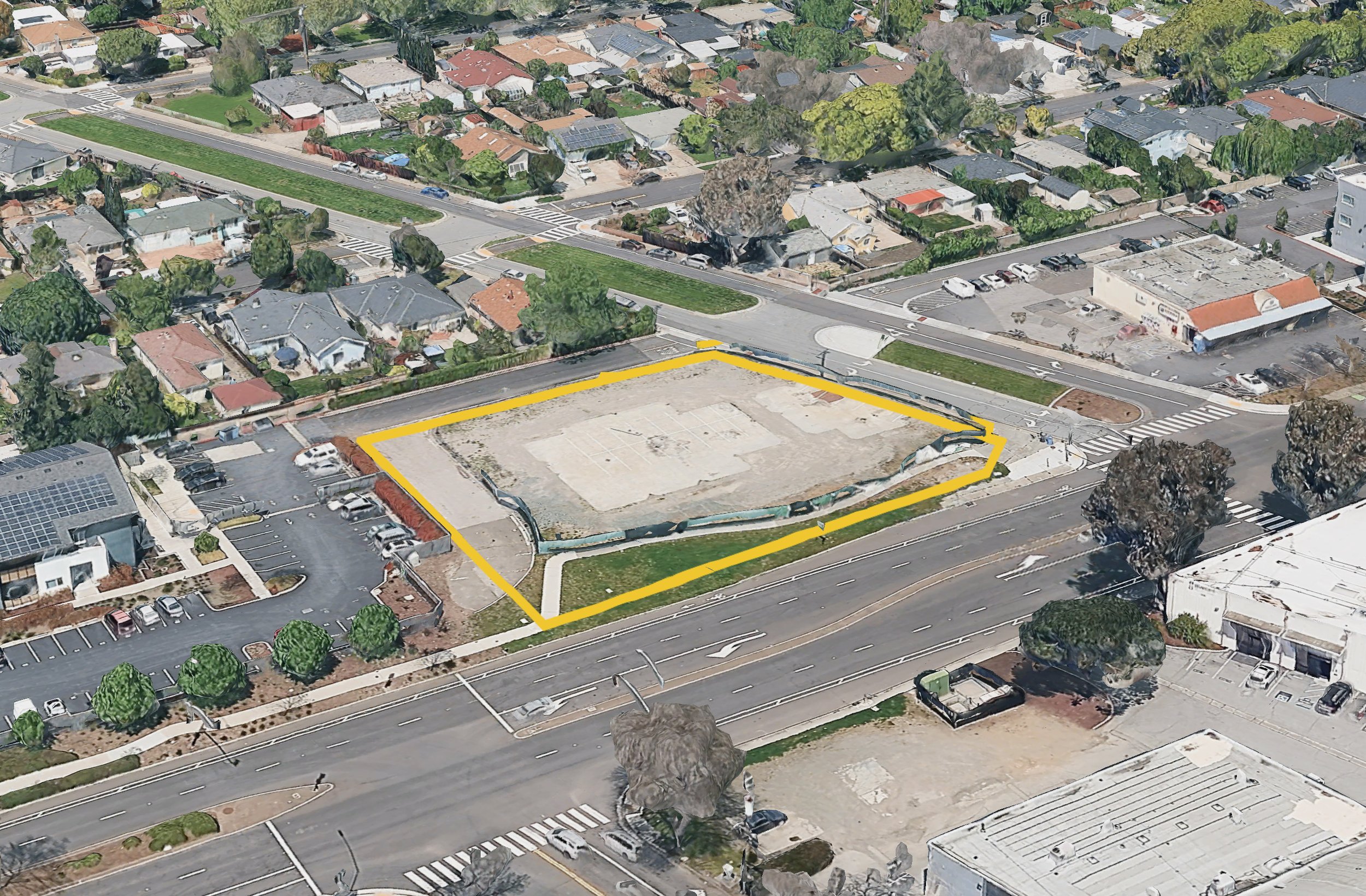
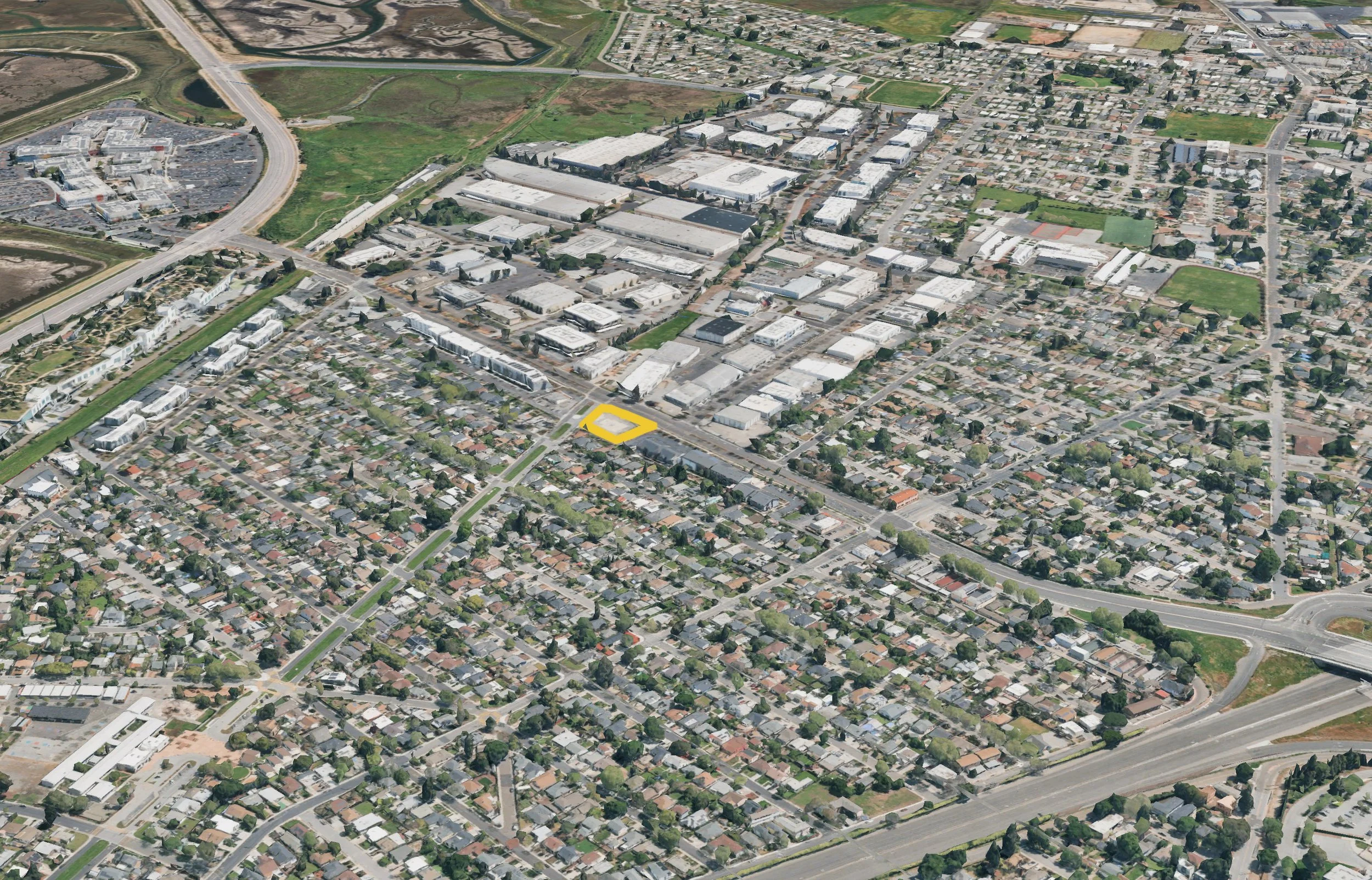
1283 Willow Road
Size & Ownership: 0.66 acres | City-owned
Background: Vacant parcel larger than Downtown Parking Lot 2 (0.56 acres). Belle Haven is identified in 2025 HCD data as at risk of displacement. And with the Willow Village project paused, there is even more need for housing in this area.
Opportunity: An apartment building with a needed grocery/pharmacy on the ground floor would be of great value to this part of town.



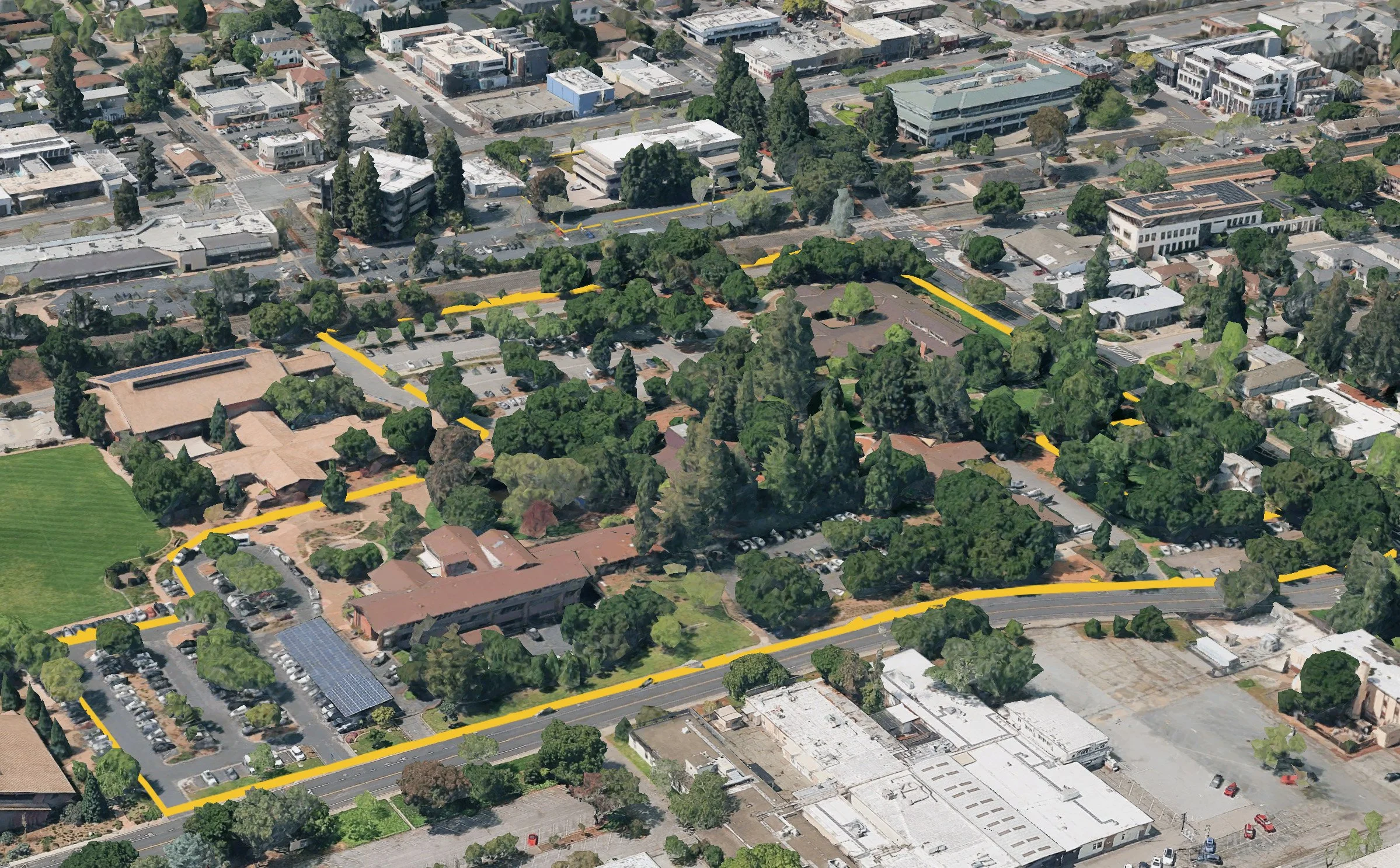
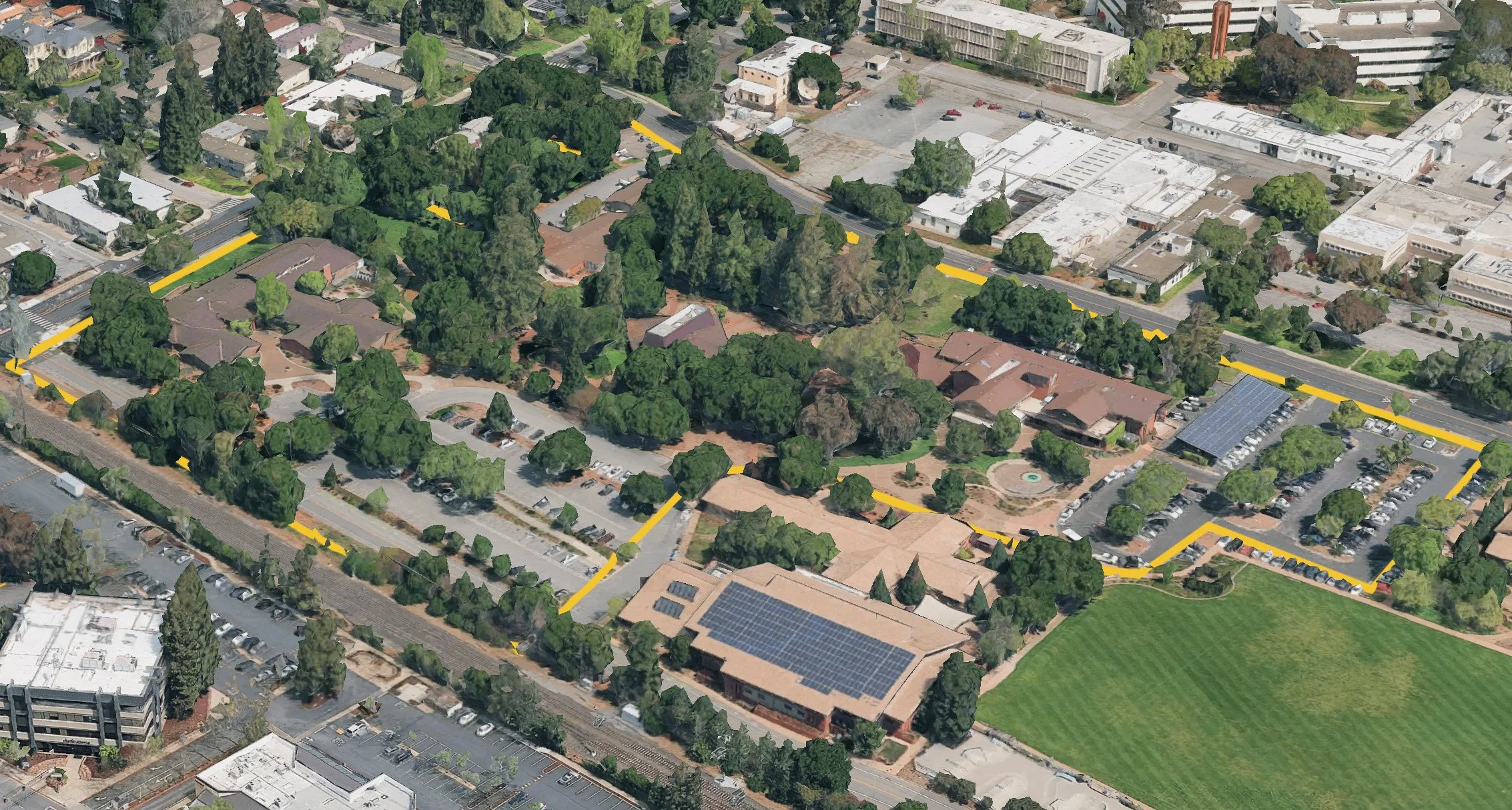
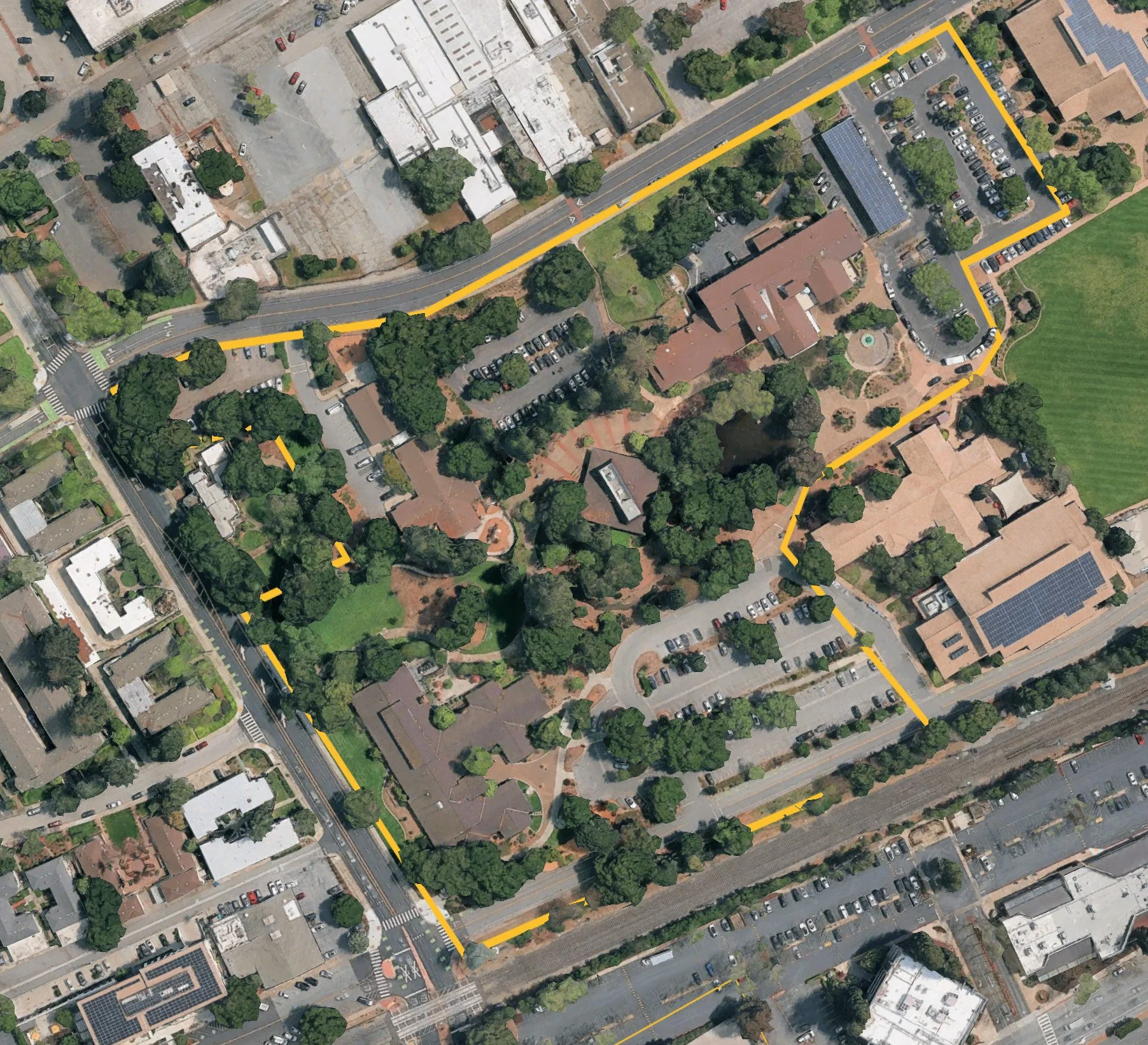
Civic Center
Size & Ownership: 13 acres (not including recreational or Gatehouse) | City-owned
Background: A large section of the Civic Center consists of surface parking and very old buildings. It’s across the street from the train station, and a short walk to downtown.
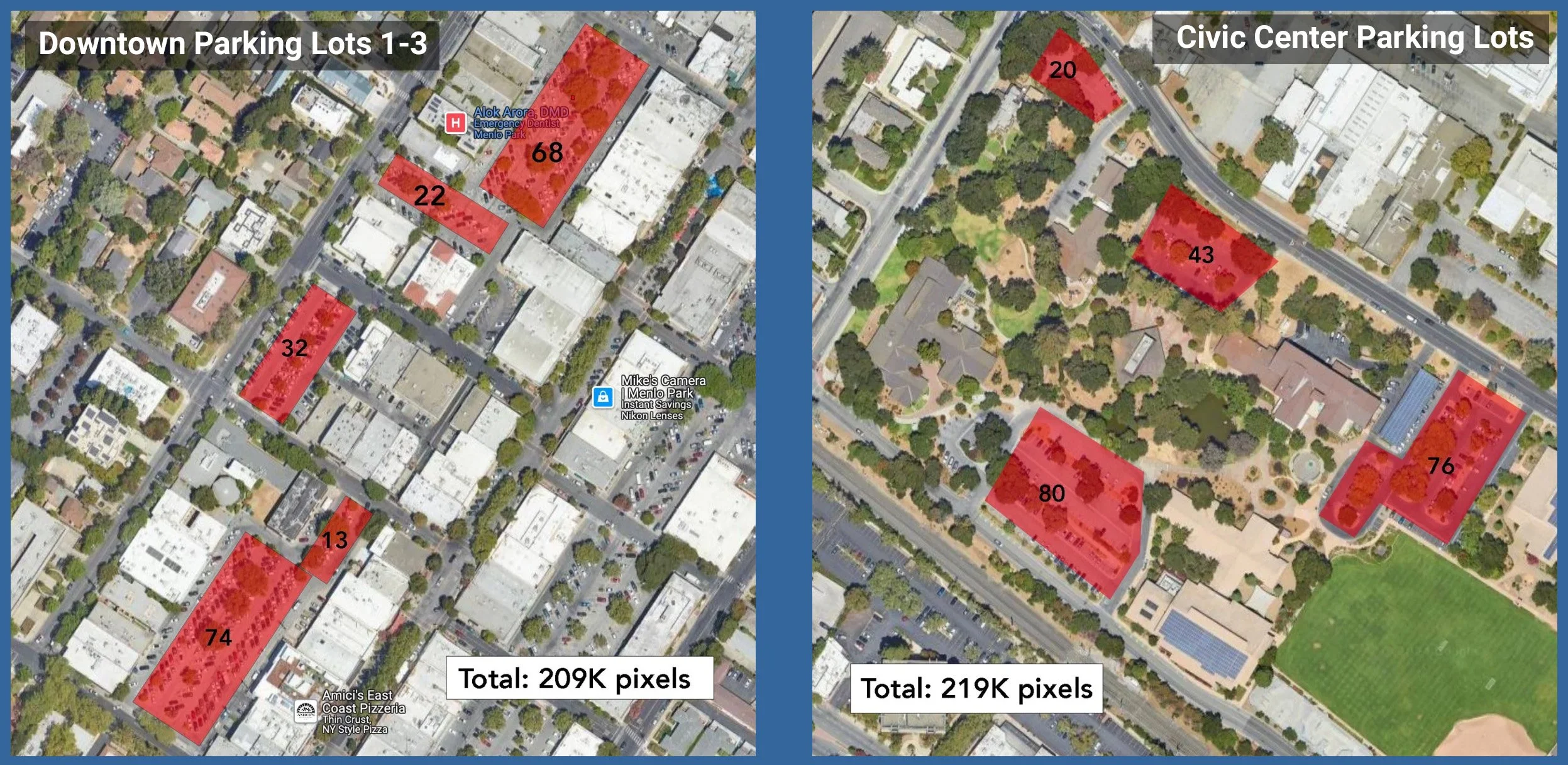
Opportunity: The space from the surface parking alone exceeds the space of downtown plazas 1 -3, providing a viable alternative. Furthermore, this could be seen as an opportunity to either move or redevelop the old library, children’s center, and/or administrative buildings - all centered around the beautiful duck pond. (More here.)
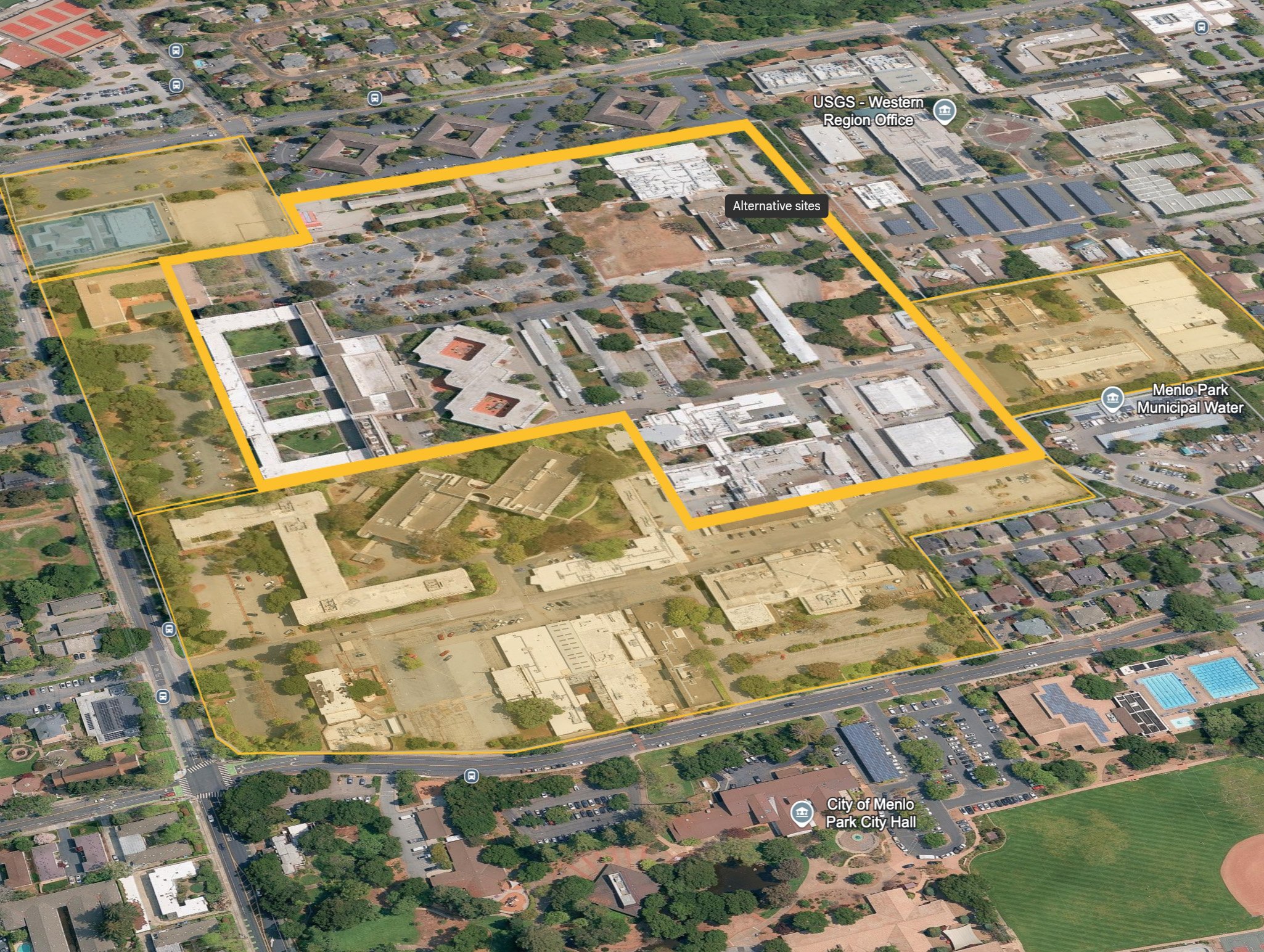
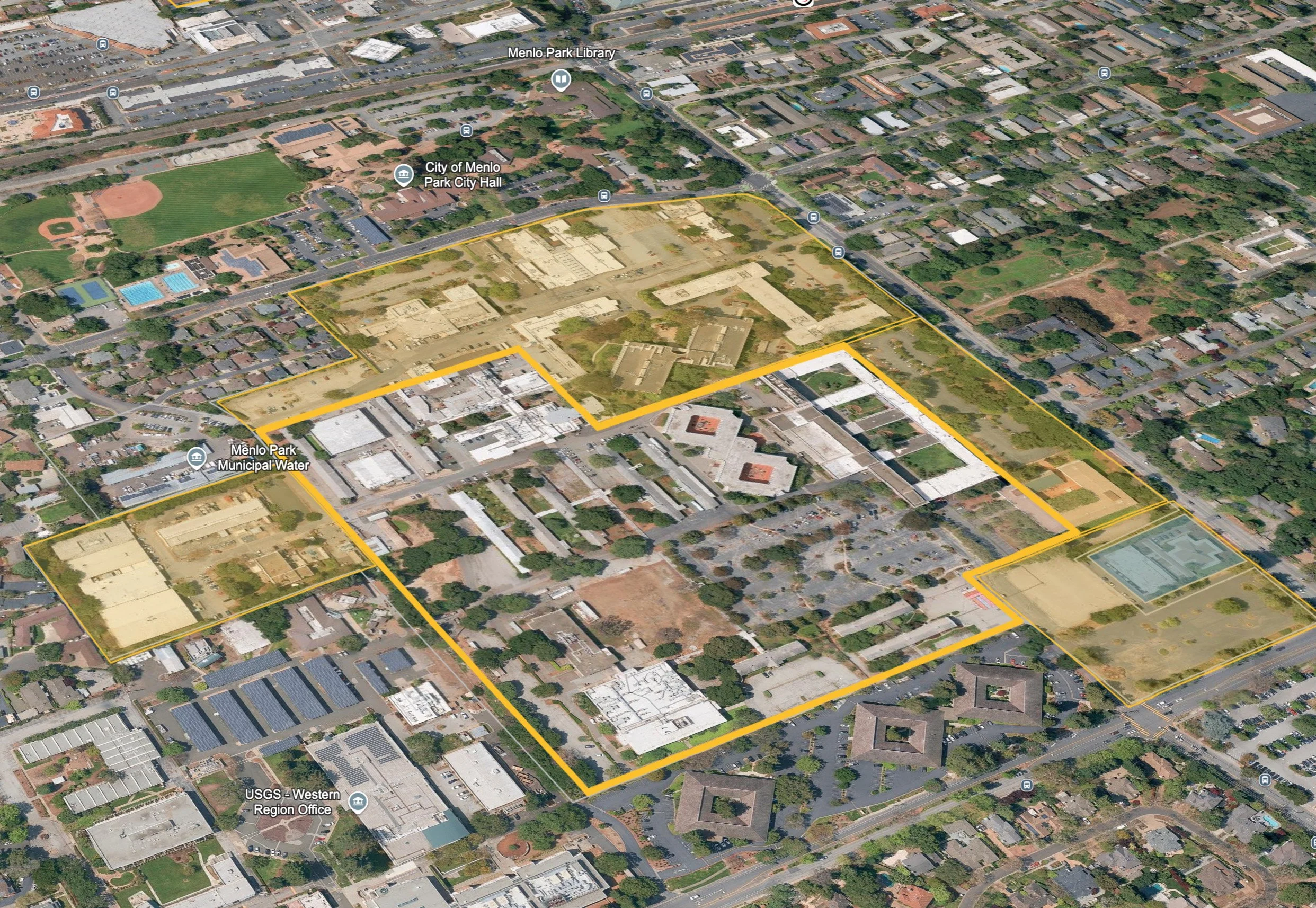
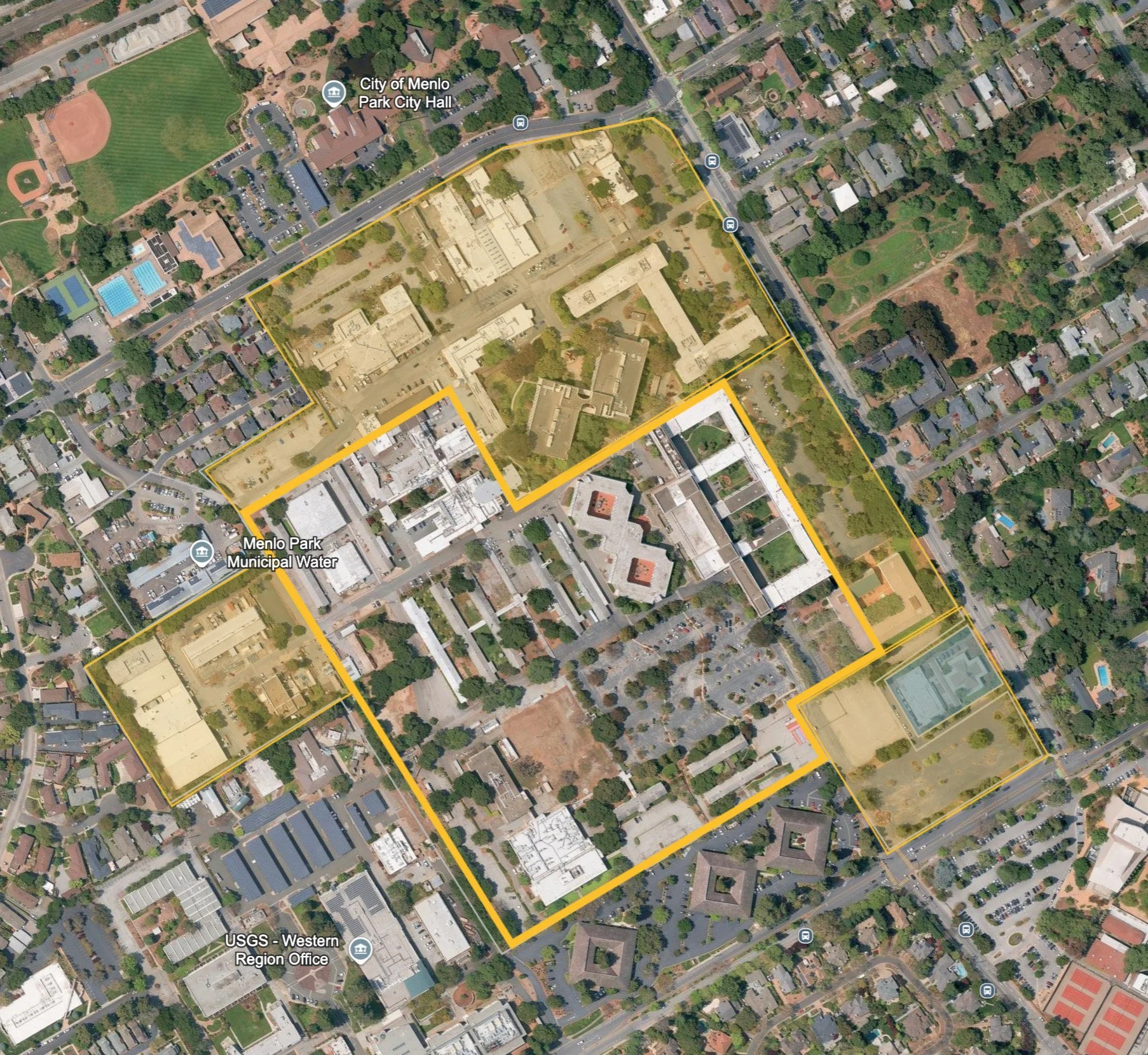
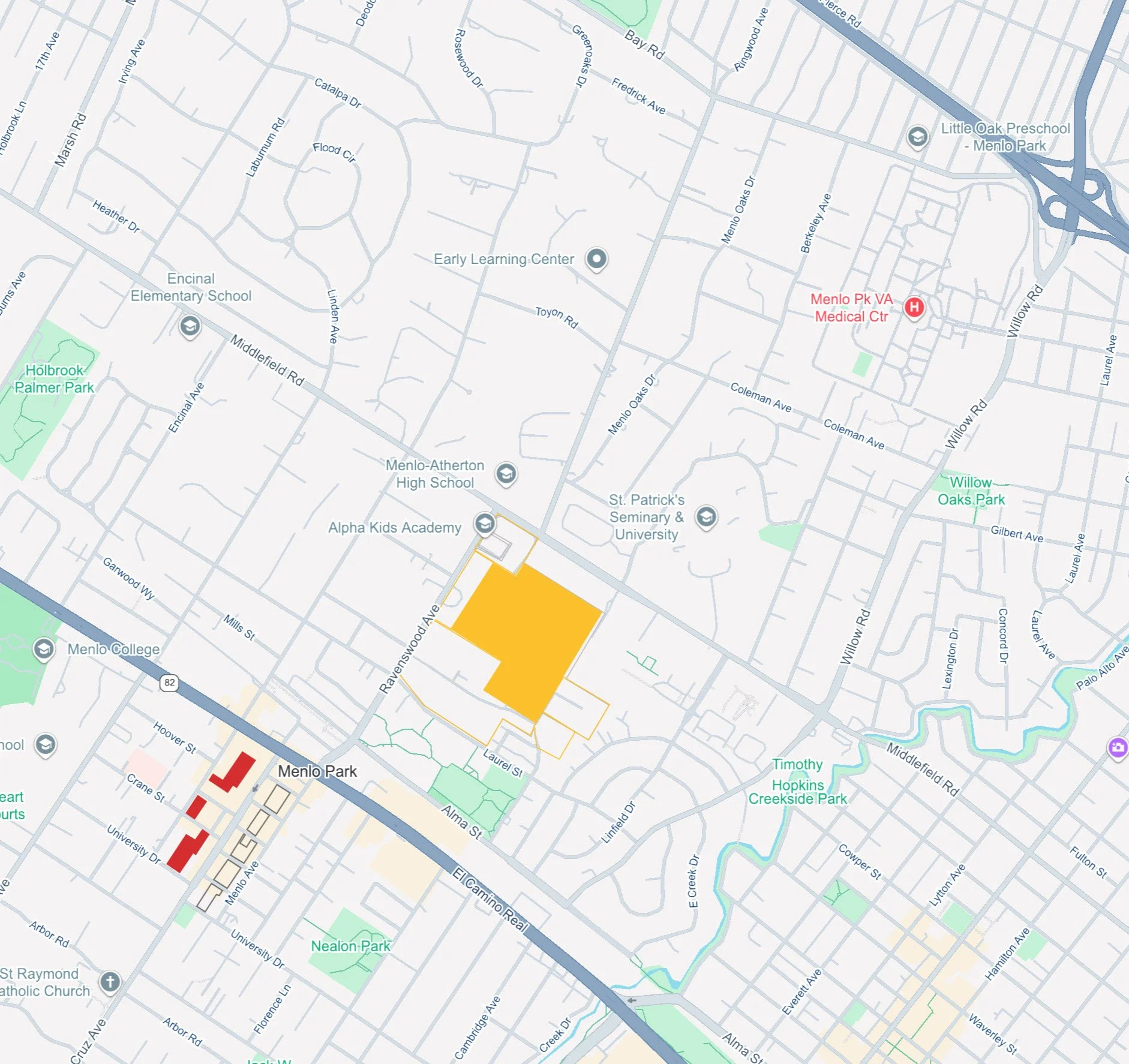
SRI / Parkline
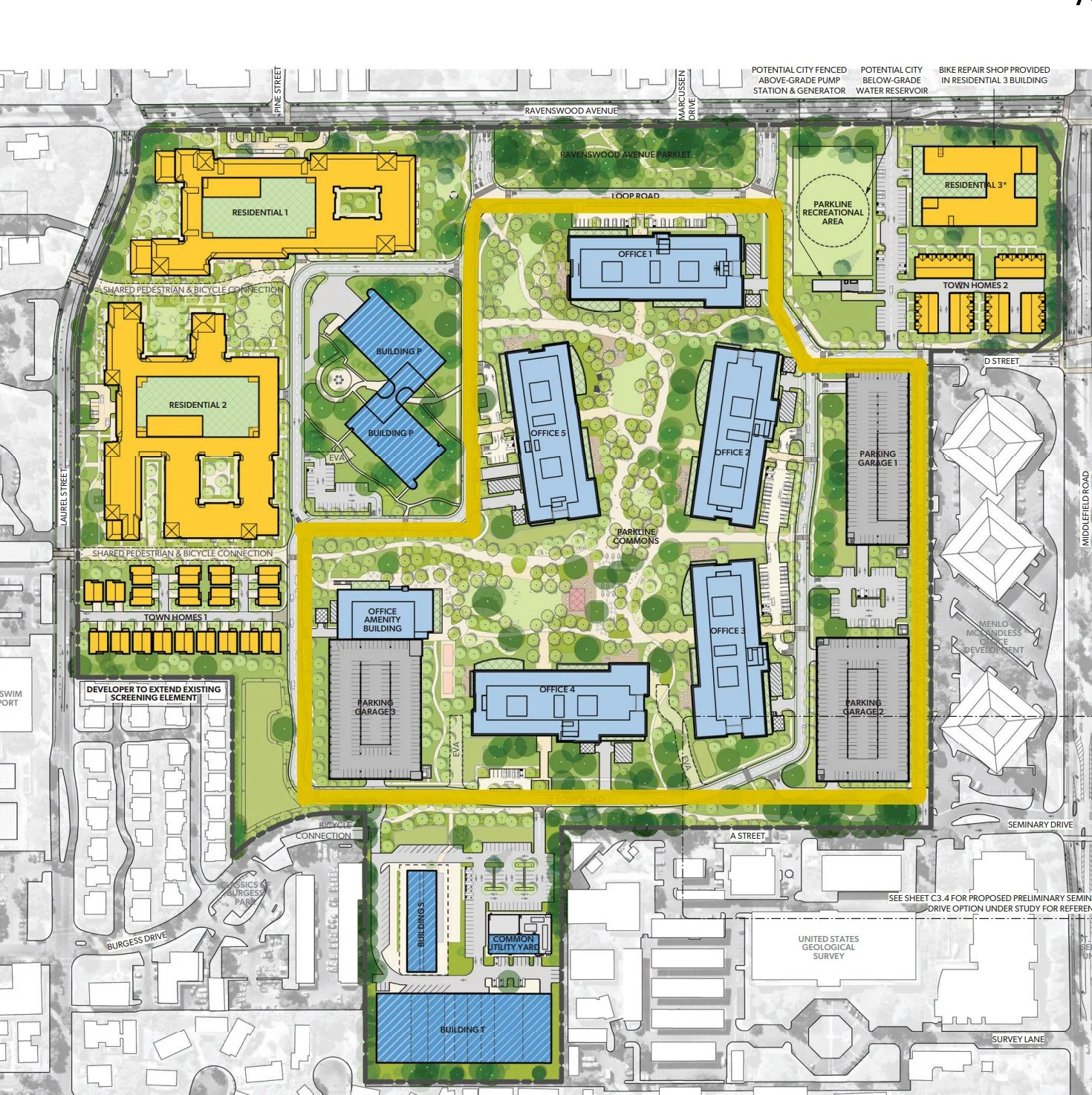
Size & Ownership: 62-acre campus | Private
Background: The Parkline project includes 800, of which 250 units will be affordable. This is significantly more housing than was originally counted on, and helps reduce the pressure to put housing in the parking lots. And it may get even better, as the developer is now asking to add even more housing.
Opportunity: This site is ideal for homes walking distance from the train station, parks, library, and downtown.
333 Burgess Drive (Corporation Yard)
Size & Ownership: 2.35 acres | City-owned
Background: Public Works operations yard adjacent to the SRI campus.
Opportunity: If Public Works operations are consolidated elsewhere, this site could deliver new housing right next to Burgess Park and the library. Development could be planned along with the adjacent SRI/Parkline parcel.
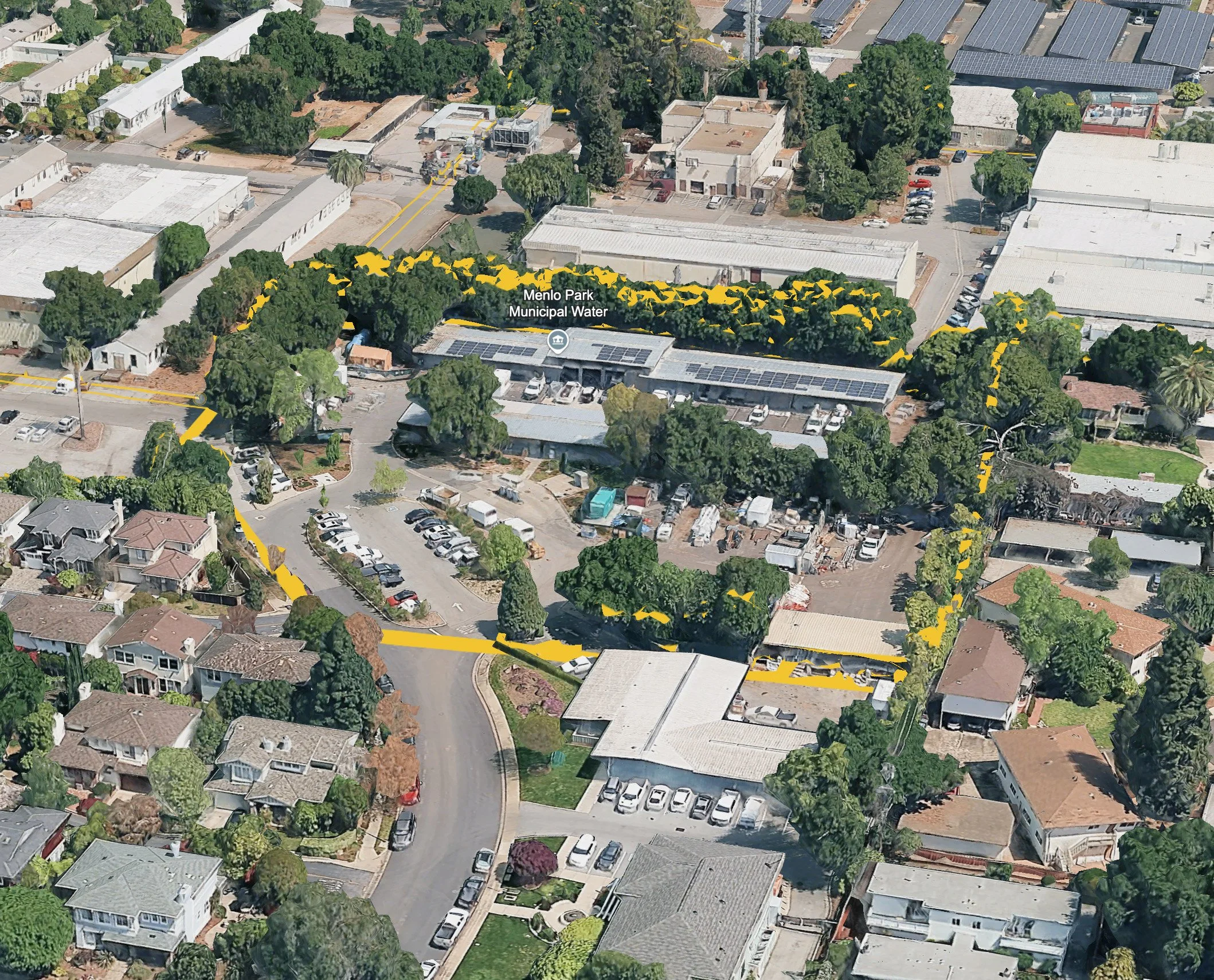
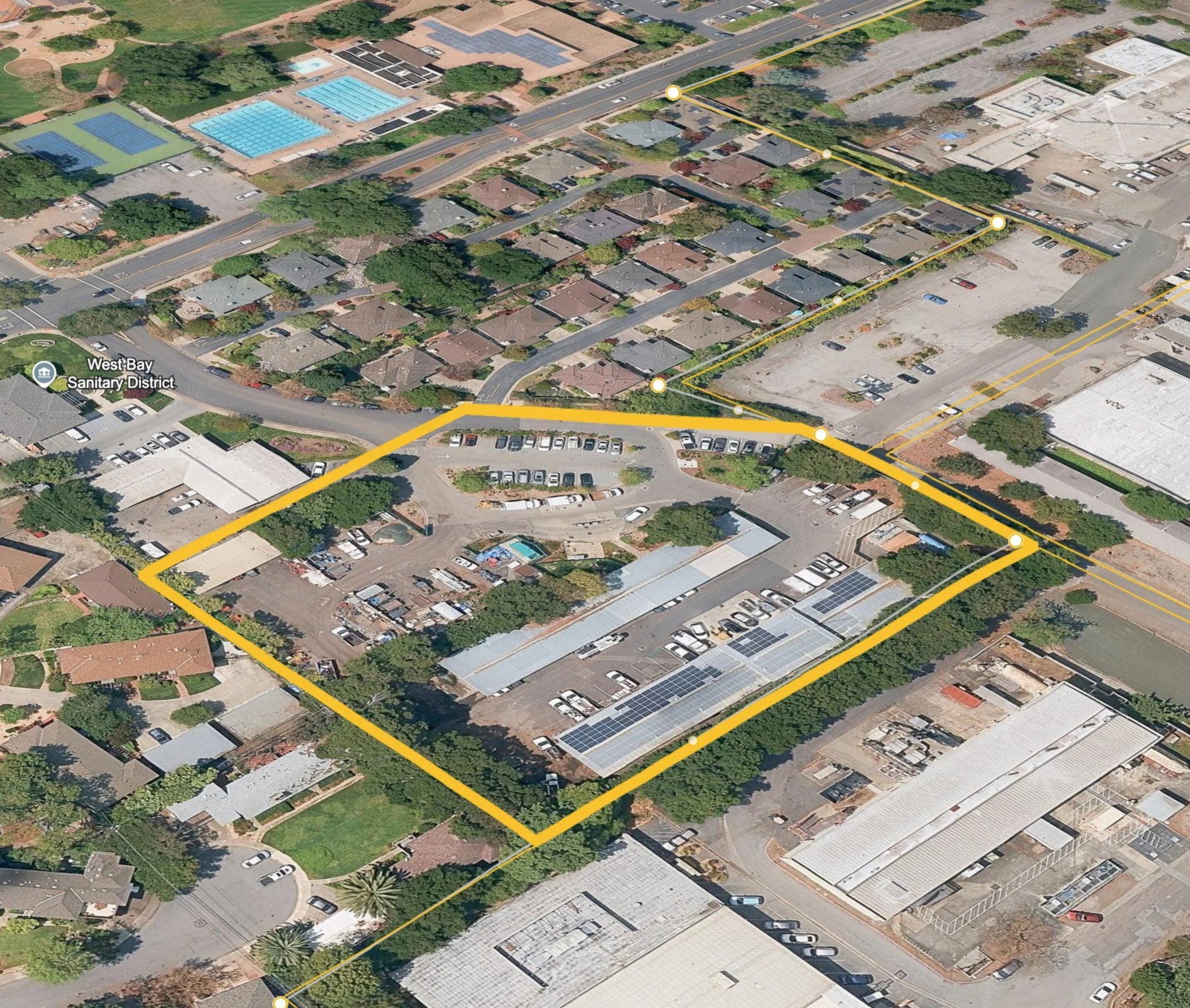
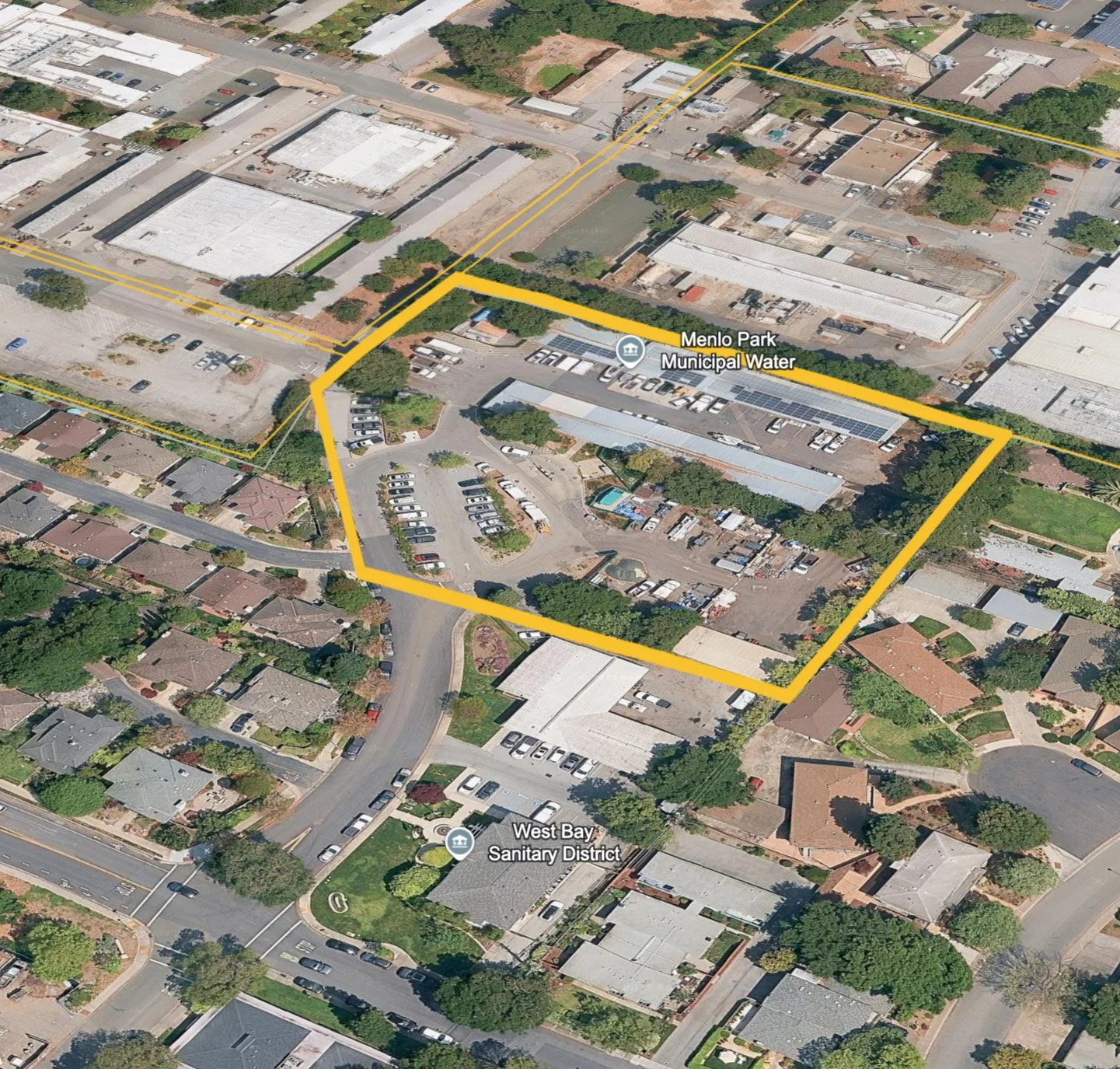


Note: Venice did exactly this, converting their maintenance yard to housing
Summary
Together, these sites provide greater capacity than the downtown plazas — in locations better suited for residential growth. And there are more viable sites in addition to these.
By prioritizing better alternatives, Menlo Park can meet its housing requirements while preserving the parking infrastructure that keeps our downtown thriving.
We Can Change Course
The 2023–2031 Housing Element timeframe is for entitlements — not completed construction. There is time to shift to other housing sites.
Watch City Attorney Nira Doherty explain the process.
To meet our housing goals, the City can amend the Housing Element, adding more sites, as San Mateo recently did.
Wondering what the Housing Element is? See our Housing Element Primer.